5 Best Moon Filters for Telescopes in 2025
Exploring the moon with a telescope can be a breathtaking experience. Moon filters enhance this experience by reducing glare.
Selecting the right moon filter for your telescope is essential for clear lunar views. Bright moonlight can overwhelm the telescope’s optics, making it difficult to observe details. A good moon filter softens this brightness, allowing you to see craters and landscapes with greater clarity.
Popular options include the Celestron 94119-A, which is perfect for bright planets and terrestrial viewing. The Neewer filter set comes with different colors to enhance lunar and planetary observation. SVBONY offers a variable polarizing filter for adjustable brightness control. Astromania’s 2-inch filter reduces glare and enhances crater detail. Each of these filters brings out the best in lunar exploration.
1. Celestron 94119-a 1.25 Inch Moon Filter

The Celestron 94119-A 1.25 inch Moon Filter is ideal for amateur astronomers and night sky enthusiasts who love observing the moon, extra bright planets, or engaging in terrestrial viewing over sand or snow. This product is perfect for individuals seeking to enhance their stargazing experience without straining their eyes. Whether you’re a seasoned observer or a beginner, this filter is designed to provide a clearer, more comfortable view of celestial bodies.
Pros:
- Reduces glare from the moon, making details more visible.
- Lightweight and compact, easy to carry for outdoor observations.
- Versatile usage for both lunar and terrestrial viewing.
- Durable build quality ensures long-lasting performance.
Cons:
- Limited to 1.25-inch eyepieces, may not fit all telescopes.
- Single color option may not match all equipment aesthetics.
The Celestron 94119-A Moon Filter features a simple yet effective design that significantly enhances the viewing experience. By reducing the brightness of the moon, it allows you to see more surface details such as craters and maria. This is particularly beneficial for those who enjoy lunar observing but find the natural brightness overwhelming. The filter’s ability to manage light pollution also means you can use it in various environments without losing the clarity of your observations.
Constructed with a lightweight and compact design, the filter is easy to transport, making it ideal for night sky excursions or trips to remote locations for optimal viewing conditions. Its robust construction ensures that it withstands frequent use, providing you with a reliable tool for all your astronomical adventures. Additionally, the versatility of the filter allows you to use it during the day for terrestrial viewing over sand or snow, where glare reduction is equally important. This makes the Celestron 94119-A a valuable addition to any astronomer’s toolkit.
2. Neewer 1.25 Inches Telescope Moon Filter

The Neewer 1.25 inches Telescope Moon Filter and Color Filters Set is ideal for amateur astronomers and hobbyists who are eager to enhance their lunar and planetary observations. If you are someone who loves stargazing and desires to see celestial bodies with improved definition and resolution, this filter set is a perfect addition to your telescope accessories.
Pros:
- Enhances definition and resolution for better lunar and planetary observation.
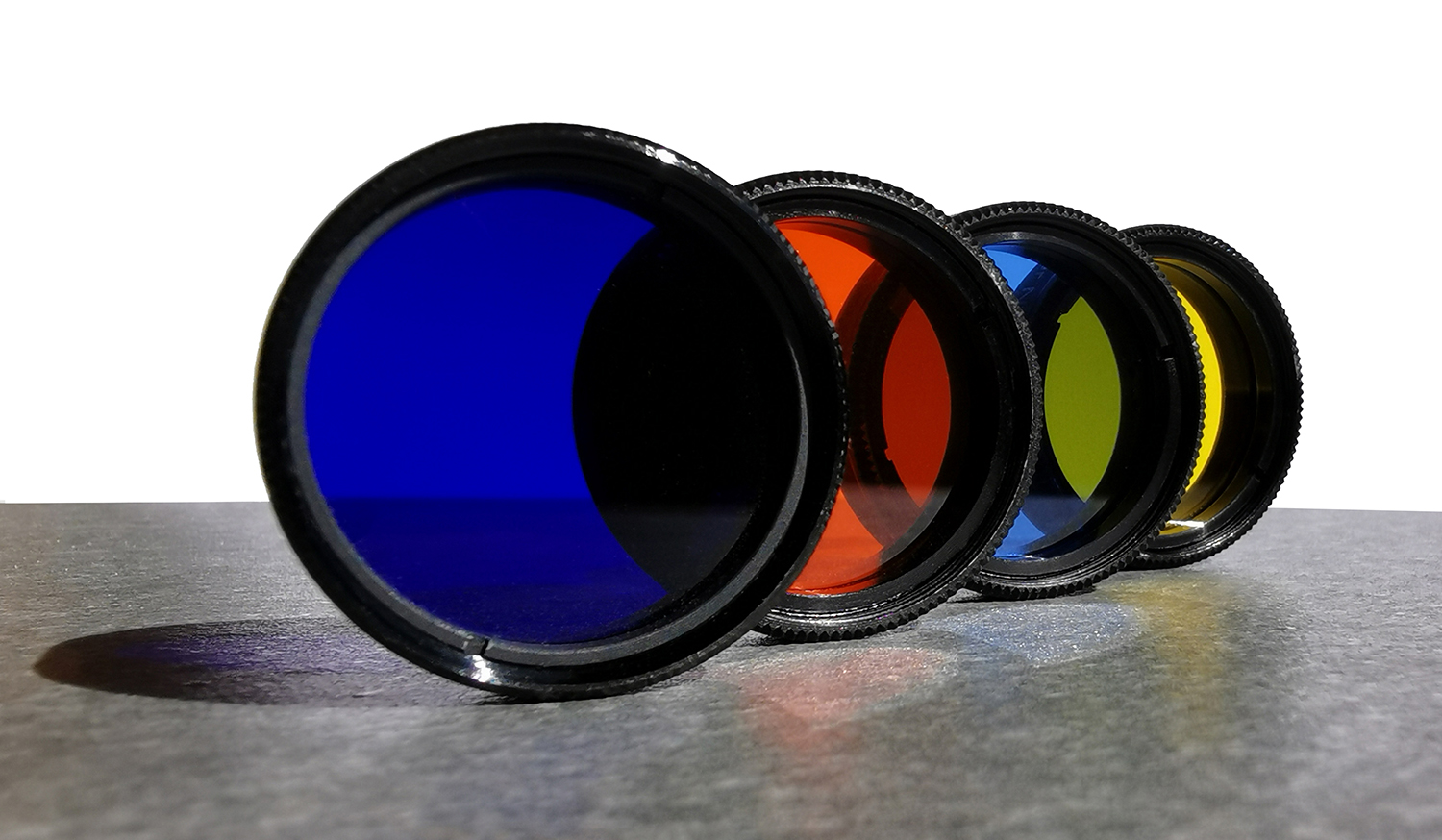
- Includes a variety of color filters (Red, Orange, Yellow, Green, Blue) for different viewing experiences.
- Lightweight and compact, making it easy to carry and store.
Cons:
- May not be compatible with all telescope models; ensure compatibility before purchasing.
- Beginners may find the use of multiple filters a bit complex initially.
The Neewer 1.25 inches Telescope Moon Filter set is designed to dramatically enhance your viewing experience by improving the clarity and contrast of celestial objects. The CPL filter is particularly useful for reducing glare and bringing out the finer details in the lunar surface, allowing for a more immersive stargazing experience. Each filter is built with quality materials to ensure durability and longevity, making it a worthwhile investment for astronomy enthusiasts.
The set’s inclusion of five color filters—red, orange, yellow, green, and blue—allows for a tailored observation experience. Each color filter serves a unique purpose, such as enhancing the visibility of specific planetary features or reducing light pollution, resulting in a more vibrant and detailed view. Users will appreciate the versatility and improved observation capabilities provided by these filters, making them an essential tool for any serious stargazer.
3. Svbony Telescope Filter

The SVBONY Telescope Filter 1.25 inches Variable Polarizing Filter is perfect for astronomy enthusiasts and stargazers looking to enhance their viewing experience. This filter is ideal for both amateur astronomers and seasoned telescope users who desire clearer, more detailed views of celestial objects.
Pros:
- Enhances contrast and sharpness in views of the moon and planets.
- Adjustable polarizing feature allows for customizable light reduction.
- Compatible with most 1.25-inch eyepieces, making it versatile for various telescopes.
Cons:
- Limited to 1.25-inch eyepieces, not suitable for larger eyepiece sizes.
- Might require additional accessories for optimal performance in different lighting conditions.
The SVBONY Telescope Filter features a variable polarizing mechanism, which provides users the benefit of controlling the amount of light transmission. This is particularly useful for observing the moon and bright planets, as it allows for the reduction of glare and enhances the contrast, leading to more detailed and comfortable viewing sessions. The ability to adjust the light transmission means that users can tailor their viewing experience based on current sky conditions and personal preferences.
Another notable feature is its compatibility with 1.25-inch telescope eyepieces, which are commonly used across a wide range of telescopes. This ensures that the filter can be easily integrated into most amateur astronomers’ existing setups without the need for additional modifications. Its compact dimensions and lightweight design make it easy to transport and handle, ensuring that it does not add unnecessary bulk to your telescope equipment. These features collectively make the SVBONY Telescope Filter a valuable addition to any astronomy kit, enhancing celestial observations significantly.
4. Svbony Sv139 Telescope Filter Moon Filter

The SVBONY SV139 Telescope Filter Moon Filter is ideal for amateur astronomers and stargazing enthusiasts looking to enhance their lunar observations. This neutral density filter is perfect for individuals who want to reduce the brightness of the moon’s surface, allowing for more detailed viewing without overwhelming glare. If you’re someone who enjoys spending nights gazing at the moon and wants a clearer, more comfortable viewing experience, this filter is a great addition to your telescope accessories.
Pros:
- Reduces Moon’s brightness for more comfortable observation
- Enhances detail visibility on the moon’s surface
- Fits 1.25 inch telescope eyepieces
- Lightweight and portable design
Cons:
- Limited to moon observations
- Not suitable for all telescope models
The SVBONY SV139 Telescope Filter is designed with 12.5 percent transmission, effectively reducing the moon’s overall brightness. This feature is particularly beneficial for users who find the moon’s glare too intense when viewed through a telescope, allowing for a more detailed and less straining viewing experience. The ND8 neutral density technology ensures that the filter maintains image clarity while minimizing excessive brightness.
With dimensions of 0.8 inches in height, 3.0 inches in width, and 3.0 inches in length, and a weight of 0.0440924524 pounds, this filter is both compact and lightweight, making it easy to carry and install. Its compatibility with 1.25 inch telescope eyepieces ensures that it can be used with a wide range of telescopes, providing flexibility for different users. This versatility makes it an excellent choice for those who frequently travel or switch between different telescopes.
5. Astromania Telescope Moon Filter 2 Inch

The Astromania Telescope Moon Filter is ideal for astronomy enthusiasts who are keen to explore lunar details with enhanced clarity. This product is perfect for those who often find the moon’s glare overwhelming and wish to observe celestial bodies with more precision. If you are someone who enjoys stargazing and wants to maximize your telescope’s potential, this filter is a worthy addition to your astronomical toolkit.
Pros:
- Reduces moon glare for clearer observation
- Enhances lunar crater detail, providing a more vivid viewing experience
- Compatible with telescope eyepieces accepting 2″ filters
- Durable construction ensures long-lasting use
Cons:
- May not fit telescopes with smaller eyepiece sizes
- Light transmission could be too low for some users
The Astromania Telescope Moon Filter boasts a neutral density design, allowing for 13% light transmission which significantly reduces moon glare. This ensures that observers can focus on the intricate details of the lunar surface without being hindered by excessive brightness. The filter’s ability to enhance lunar crater detail is a game changer for those who wish to delve into the moon’s topography with greater precision.
Crafted with compatibility in mind, the filter works seamlessly with telescope eyepieces that accept 2″ filters, making it versatile for many telescope models. Its durable construction promises longevity, making it a reliable tool for regular astronomers. However, potential buyers should ensure their telescope’s eyepiece size aligns with the filter to avoid compatibility issues. Overall, this moon filter is a valuable asset for any astronomy enthusiast aiming to elevate their lunar observations.
Frequently Asked Questions
What Is A Moon Filter For Telescopes?
A moon filter reduces brightness and glare while observing the moon. It enhances contrast and detail, making lunar features clearer. These filters are ideal for telescopes and help improve your viewing experience. They are available in different sizes and types, catering to various observation needs.
How Do Variable Polarizing Filters Work?
Variable polarizing filters allow adjustable light transmission for telescopes. By rotating the filter, you can control brightness levels. This feature is helpful for lunar observations, reducing glare and enhancing contrast. These filters offer flexibility and precision in viewing conditions, improving overall observation quality.
Why Use Color Filters In Lunar Observations?
Color filters enhance specific lunar features by improving contrast and resolution. Different colors highlight various elements on the moon’s surface. They help in distinguishing details like craters and maria. Using color filters can significantly enrich your lunar observation experience, providing clearer and more detailed views.
Are Neutral Density Filters Effective For Moon Viewing?
Neutral density filters reduce overall brightness without altering color. They are effective for moon viewing, minimizing glare while maintaining color integrity. These filters improve the visibility of lunar surface details. They offer a balanced observation experience, making them popular among astronomy enthusiasts.
Which Moon Filter Is Best For Bright Planets?
Celestron’s moon filter is ideal for bright planets and terrestrial viewing. It reduces glare and enhances clarity. This filter is versatile, suitable for various conditions including sand or snow environments. It’s a great choice for those who want improved planetary and lunar observations.
Conclusion
Choosing the right moon filter can enhance your lunar viewing experience. Each filter offers unique benefits. The celestron 94119-a is great for bright planets and terrestrial views. Neewer’s filter set adds definition and resolution with various color options. The svbony variable polarizing filter provides adjustable brightness levels.
The svbony sv139 filter reduces glare for clearer moon details. Astromania’s filter enhances crater details with minimal light transmission. Each filter suits different needs and preferences. Consider what you want to observe. Think about the environment you will be in.
Do you need adjustable brightness? Are color filters important for you? With these considerations, you can choose the best moon filter for your telescope. Enjoy clearer and more detailed moon observations. Better lunar views are just a filter away. Explore the night sky with confidence and clarity.
Moon filters make a significant difference. Happy stargazing!